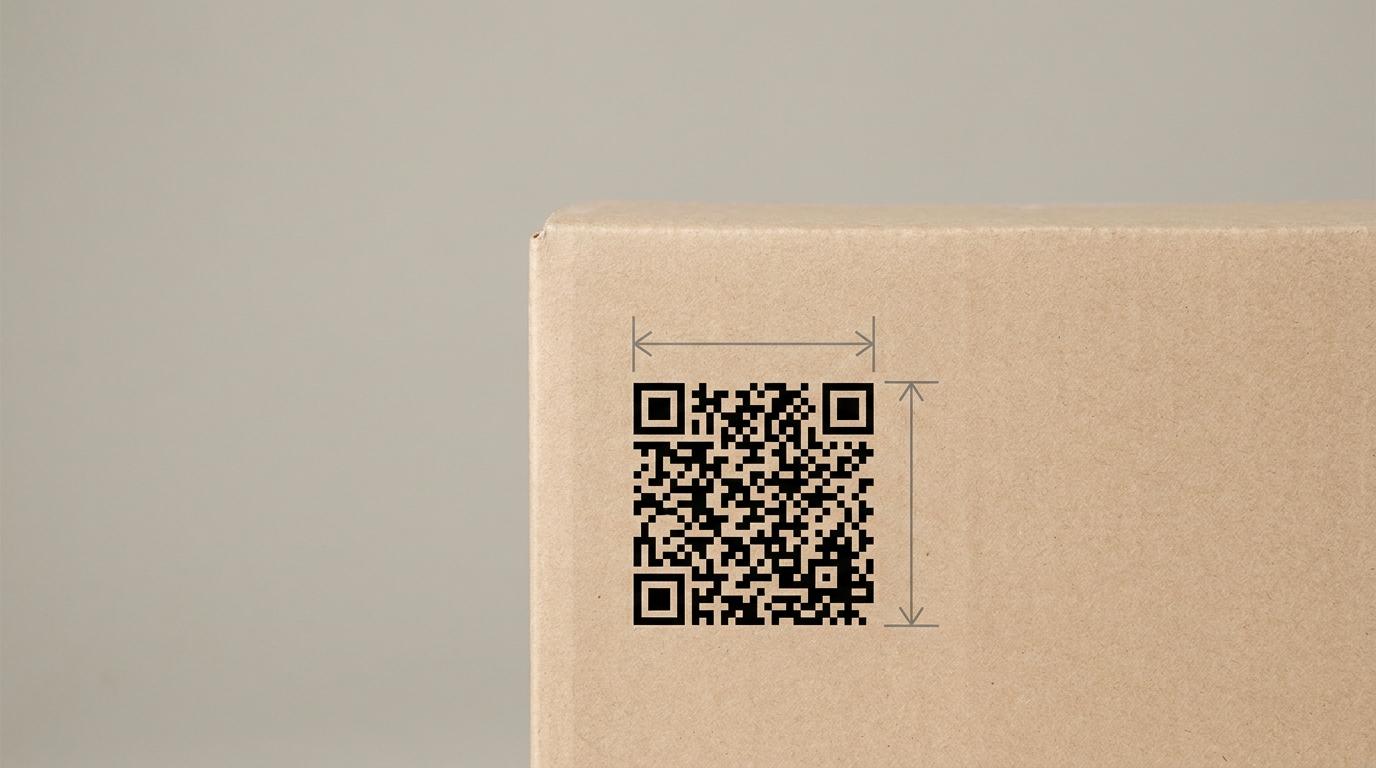
Your QR Code Is Too Big Because Your URL Is Too Long
Versions, modules, X-dimension, quiet zones. Why you don't choose your QR code's size, what actually decides it, and the retail POS numbers in mm and inches.
Product transparency, GS1 Digital Link, and the future of barcodes.
Versions, modules, X-dimension, quiet zones. Why you don't choose your QR code's size, what actually decides it, and the retail POS numbers in mm and inches.
A GS1 Digital Link QR code can carry dozens of fields. Here is which Application Identifiers belong on the pack, which belong in the resolver, and the arithmetic behind both.
Infant formula is the one food where US federal rules require a use-by date, and Canada requires an expiration date. Encoding it as GS1 AI 17 turns ink into something every checkout lane can enforce offline.
A yogurt recall in Canada named two products and 24 printed best before dates. Everything needed to scope it was already on the tub, but the only way to use it was to read a list and compare by eye.
A GS1 Digital Link is a URL on a product, but really it's a lookup. Here's how the resolver layer works, why it matters, and what brands should set up first.
A lot number tells you if a unit belongs to a recalled batch. A serial number tells you if it's the exact unit you sold. Return fraud lives entirely in the gap between those two questions.
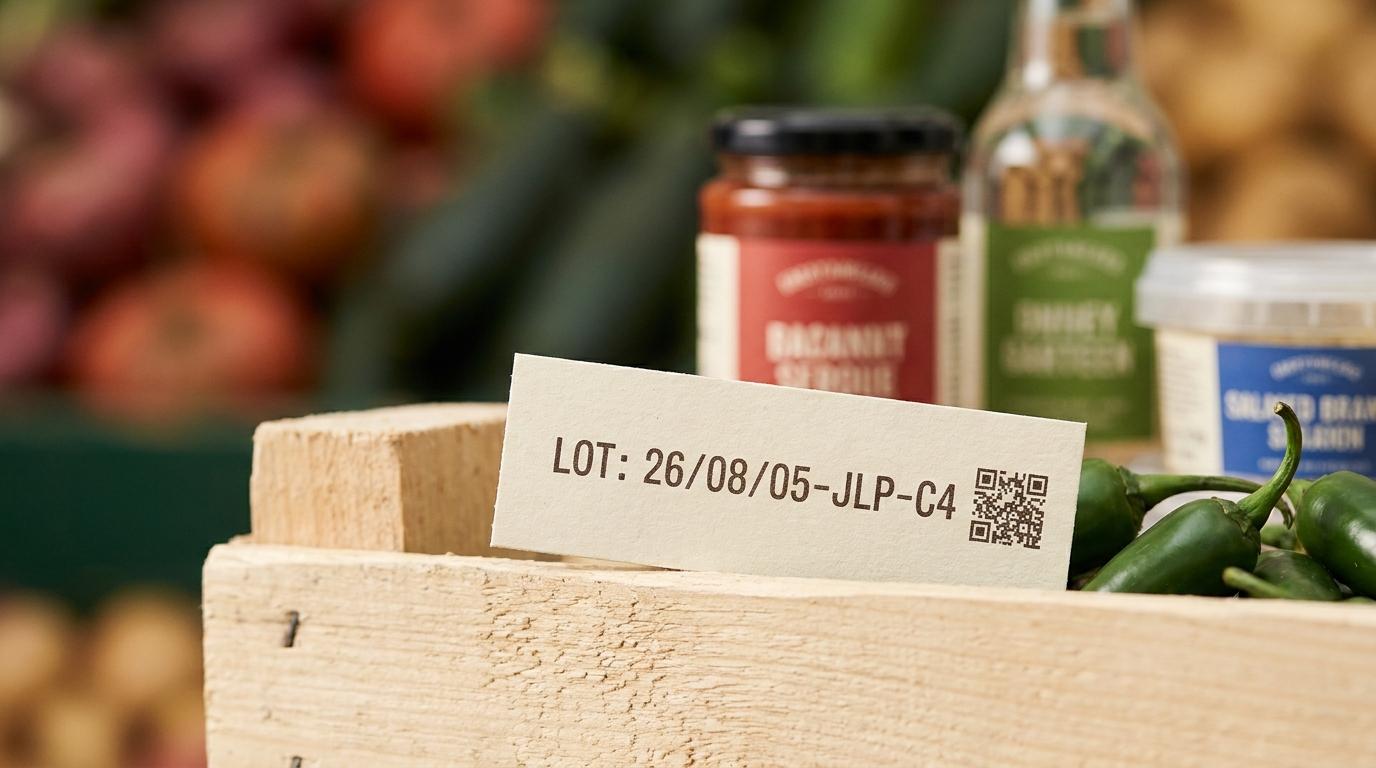
A contaminated jalapeño lot from one Sinaloa grower turned up in roughly eighty finished products made by five separate companies. Finding which ones took weeks instead of a query - and a fifth company surfaced while we were fact-checking this piece.
A cyclospora outbreak forced a region-wide lettuce recall. The data to scope it precisely was already on every bag as ink, just not machine-readable.
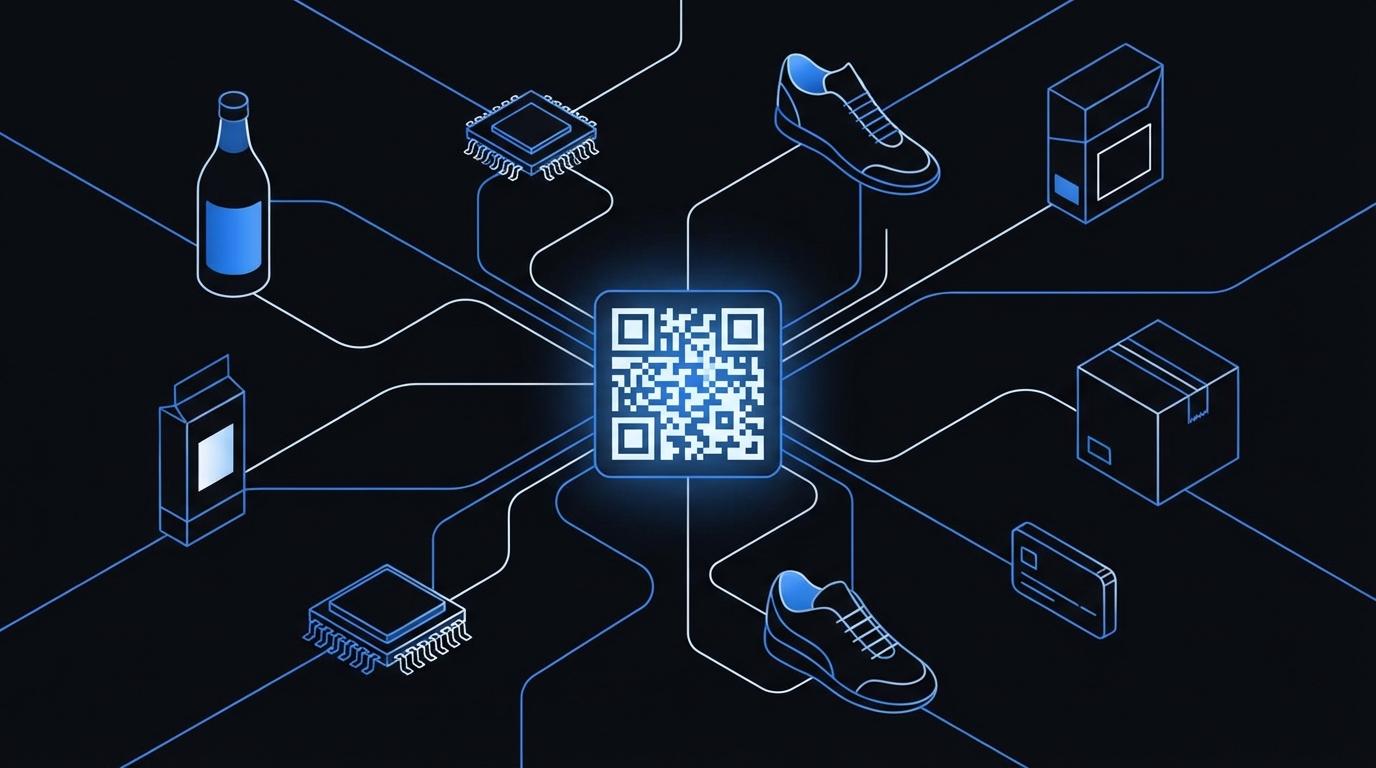
The barcode industry agreed on a standard. Nobody built the infrastructure. So we did.
413,793 KitKat bars were stolen in transit and Nestle asked consumers to manually check batch codes. Here's how a GS1 Digital Link resolver could have flagged every stolen bar automatically.
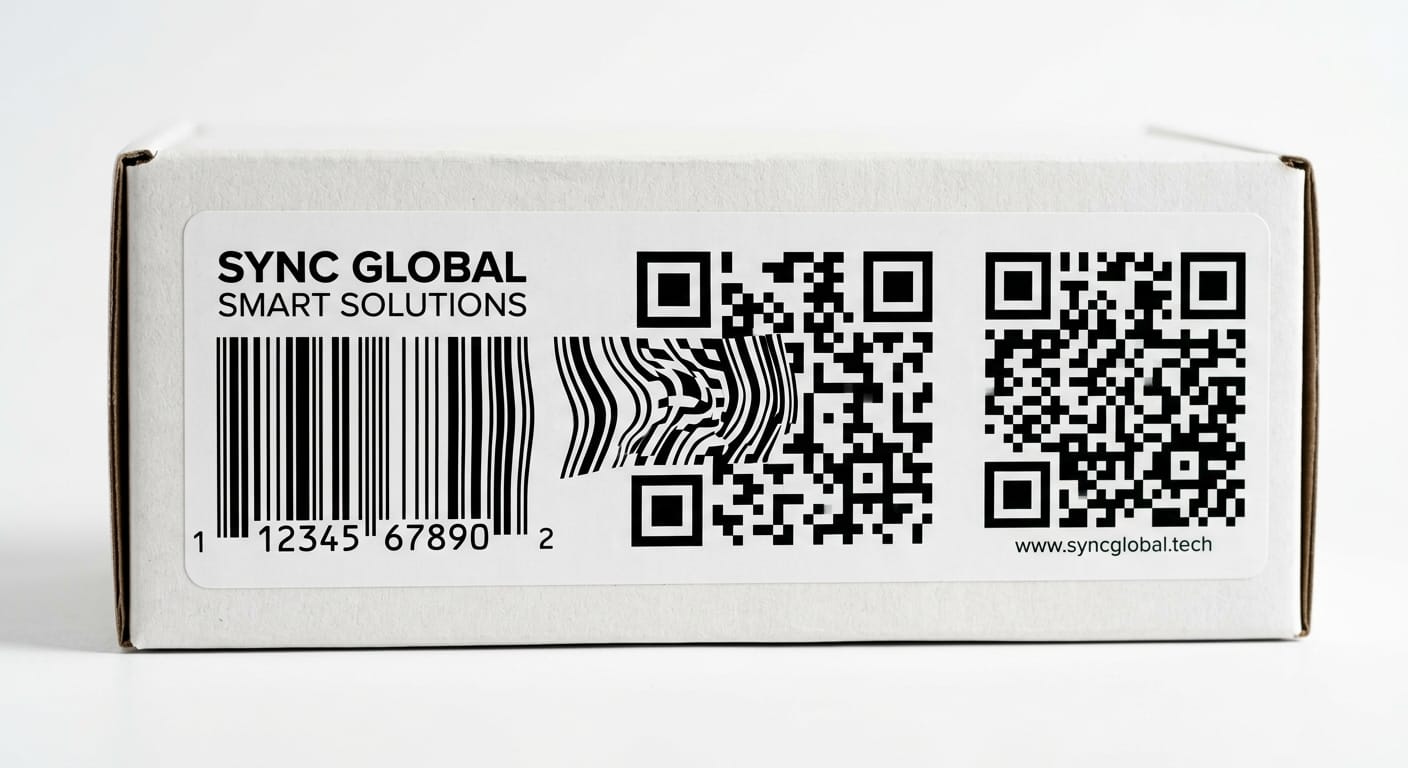
GS1 says the industry is moving from UPC barcodes to 2D barcodes by 2027. Here's what that means for your brand -- and how to get ready.
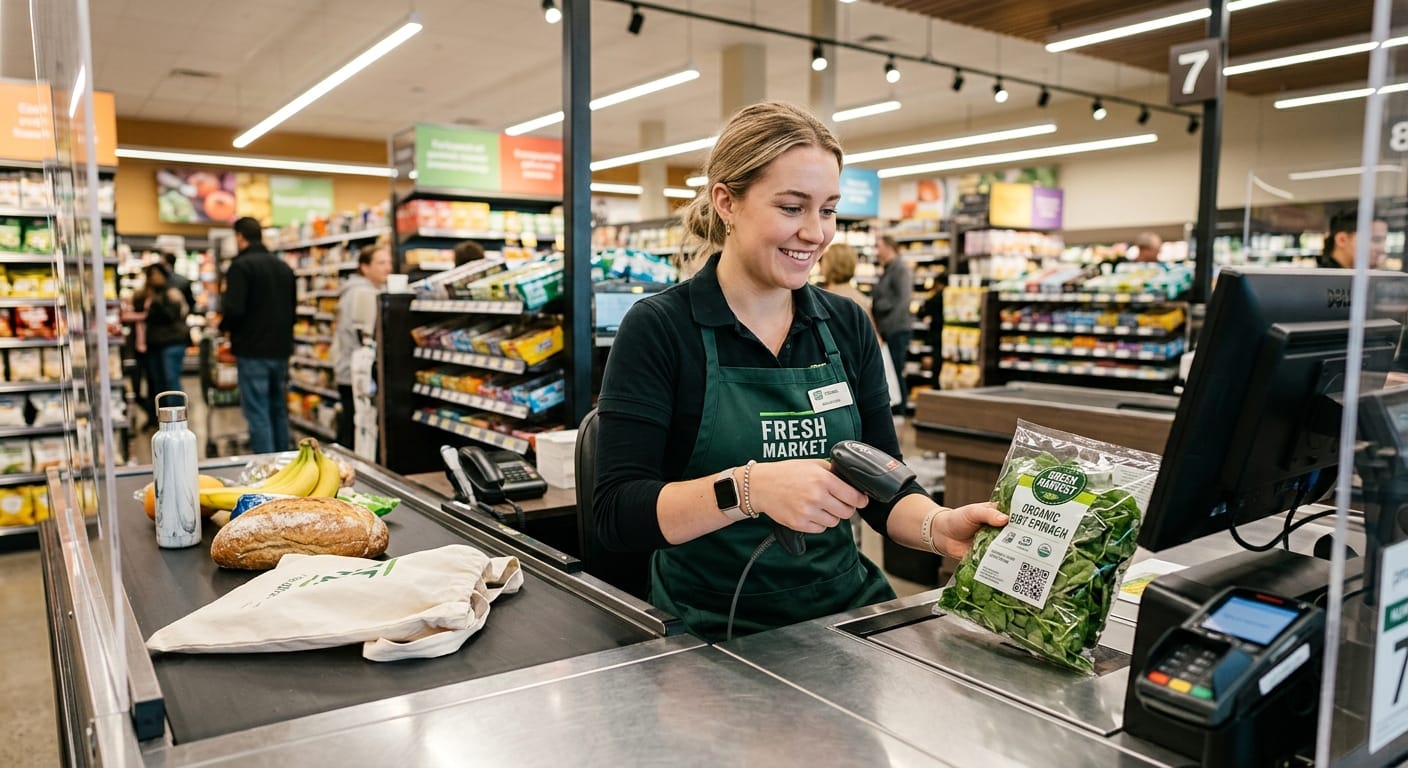
Tesco has already replaced barcodes on some products. Walmart, Kroger, and 60+ retailers are testing 2D checkout lanes.
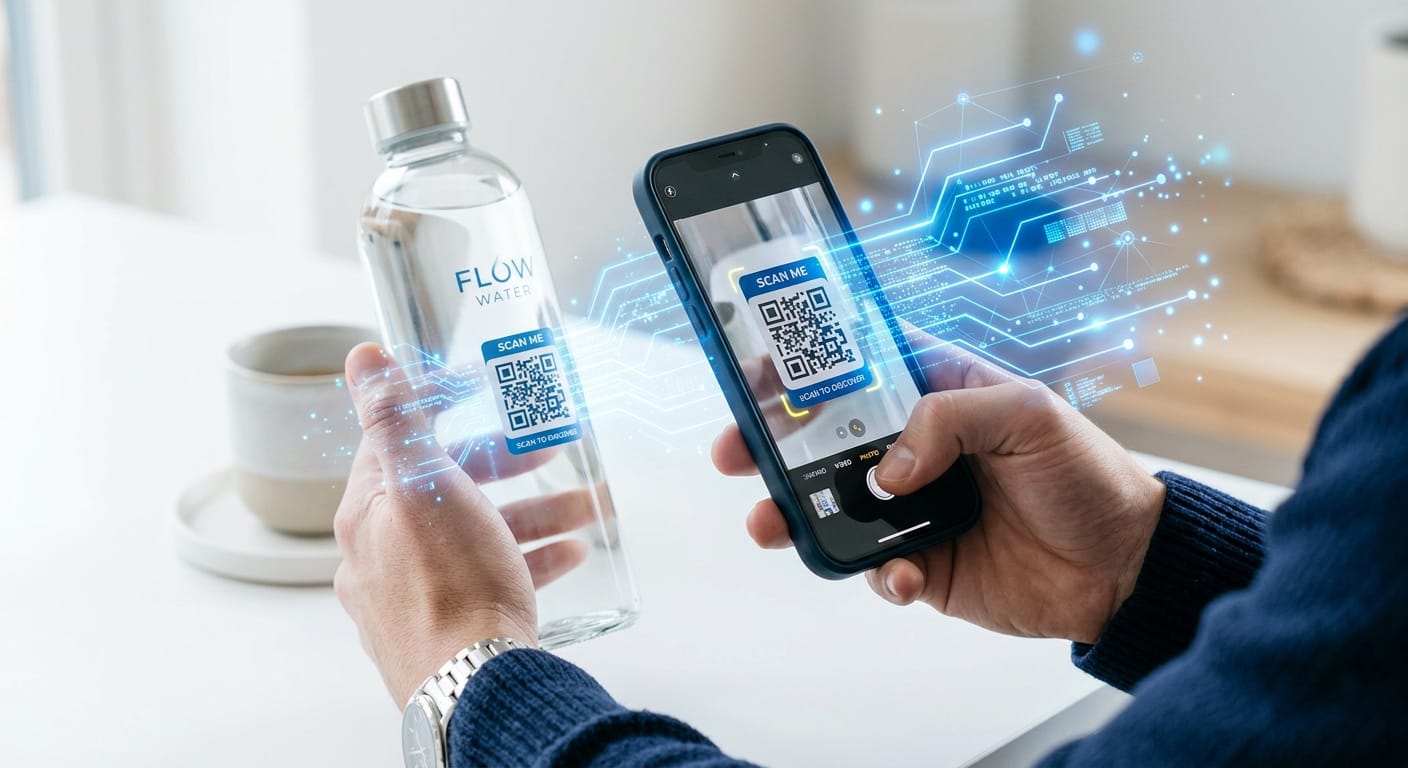
Everyone's talking about 2D barcodes replacing UPC codes. Nobody's explaining what happens after the scan.
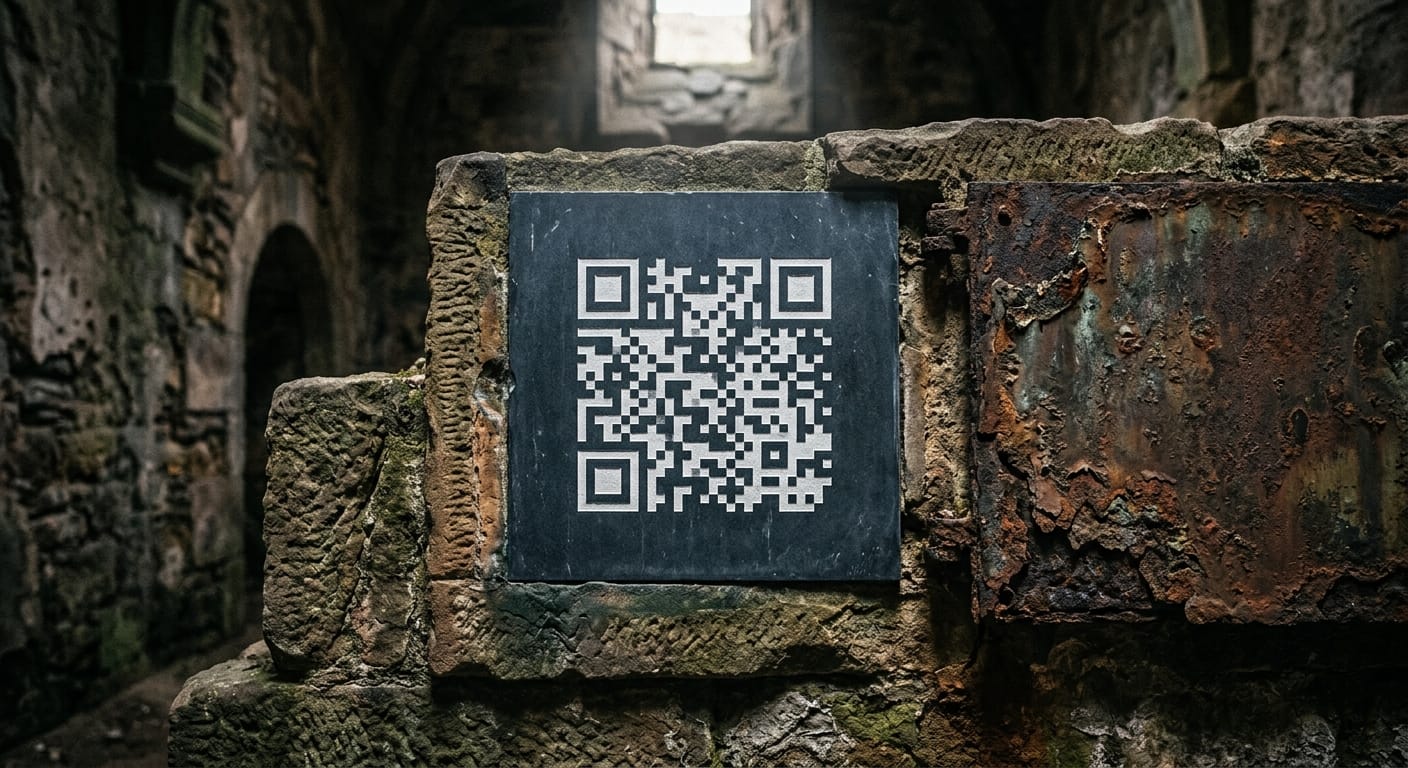
A QR code on a product could be scanned in 2050. What happens if your QR provider disappears before then?
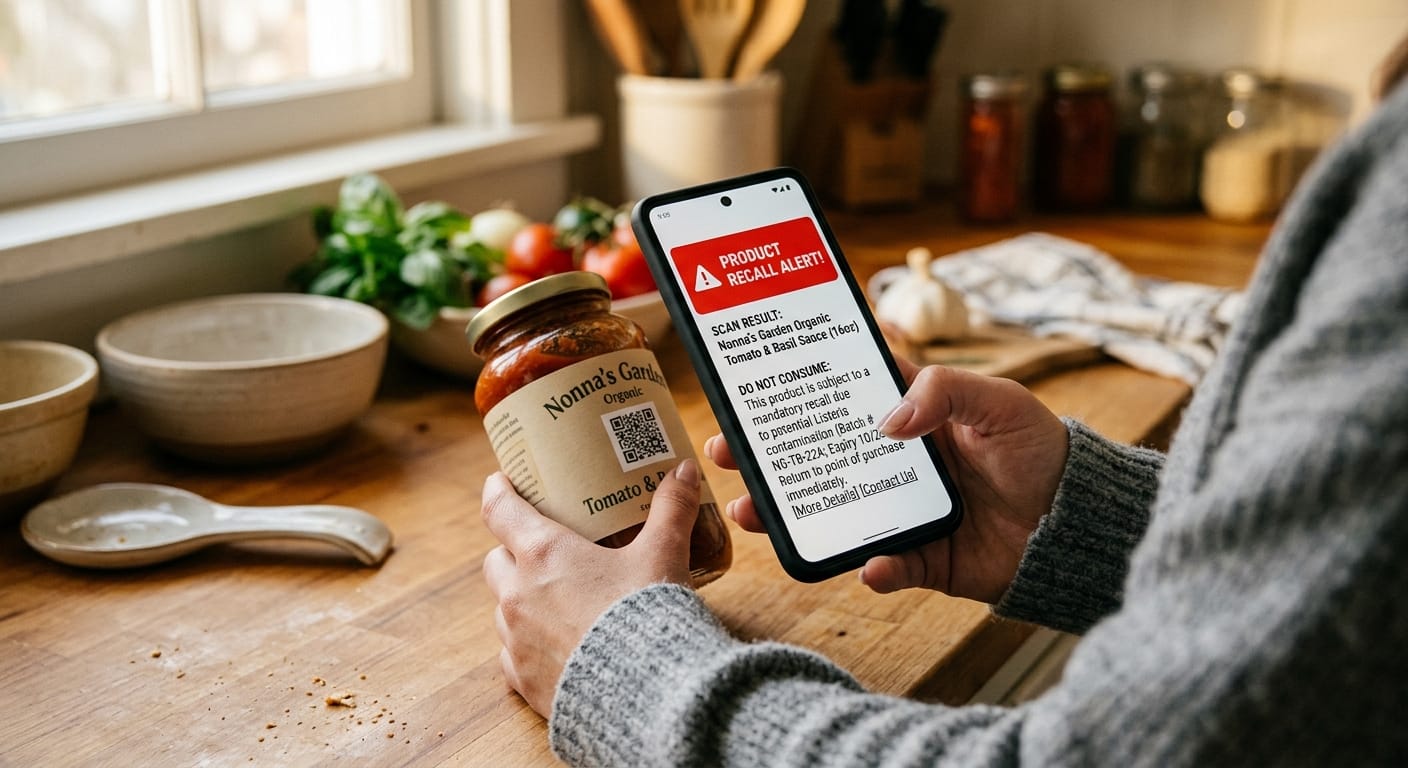
What if a product recall could reach every affected customer and leave everyone else alone?
FSMA 204, EU Digital Product Passport, and DSCSA all require the same thing: a data carrier that resolves to structured product data.
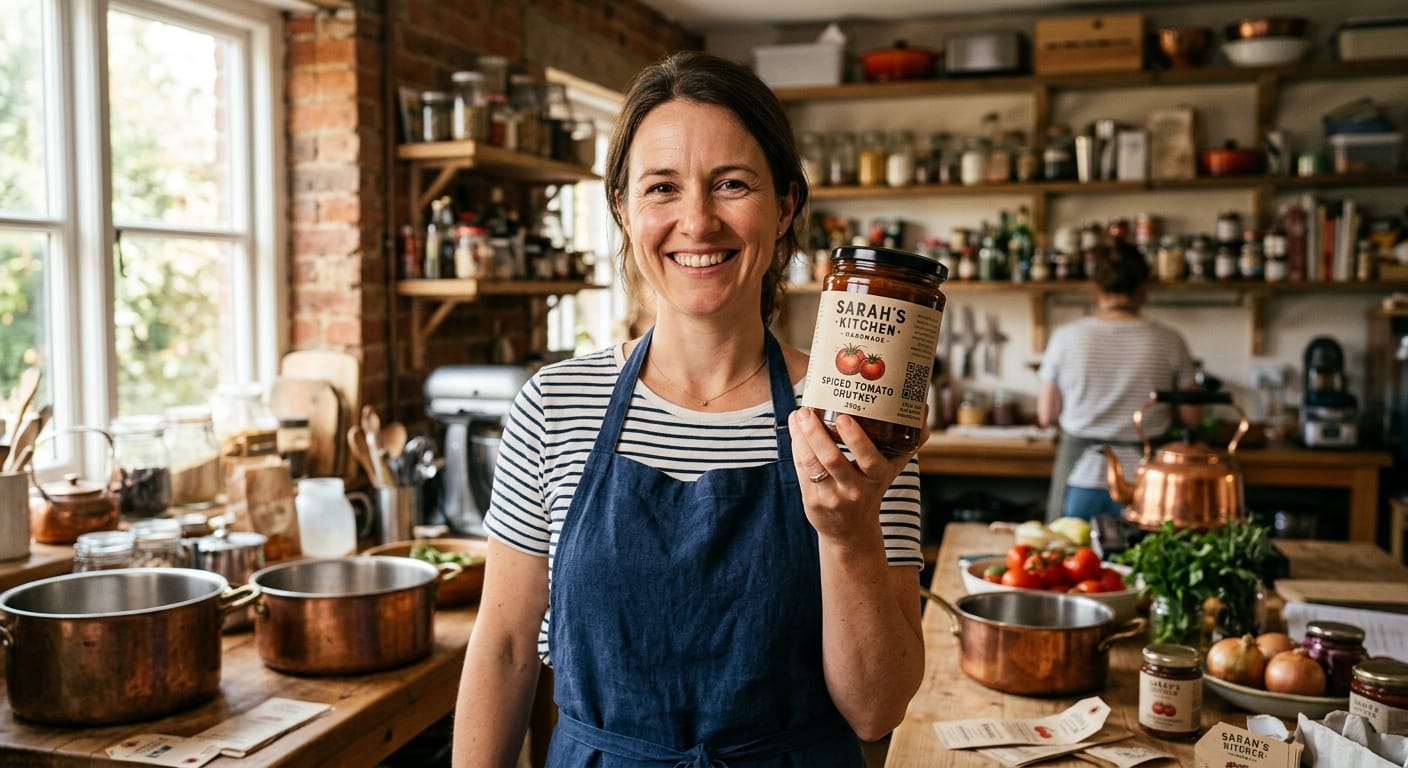
Sunrise 2027 coverage quotes PepsiCo and Walmart. But smaller brands have the advantage.